

The "Camera Phone Moment" for Software
How AI is democratizing app creation
An internal memo from Shopify CEO Tobi Lütke, in April of this year, sent a clear message not just to his company, but arguably across the entire professional world: “Reflexive AI usage is now a baseline expectation.”
At Shopify, using AI effectively is becoming part of performance reviews. Prototyping must involve AI exploration. Teams now need to justify not using AI before asking for more resources. Lütke's stance is unambiguous: in today's world, avoiding AI leads to stagnation.
“Stagnation is slow-motion failure.”
The universality of this expectation is notable. Everyone needs to get on board. AI is rapidly becoming a "tool of all trades." Lütke describes it as a potential thought partner, researcher, critic, tutor, and even pair programmer—roles relevant across countless functions.
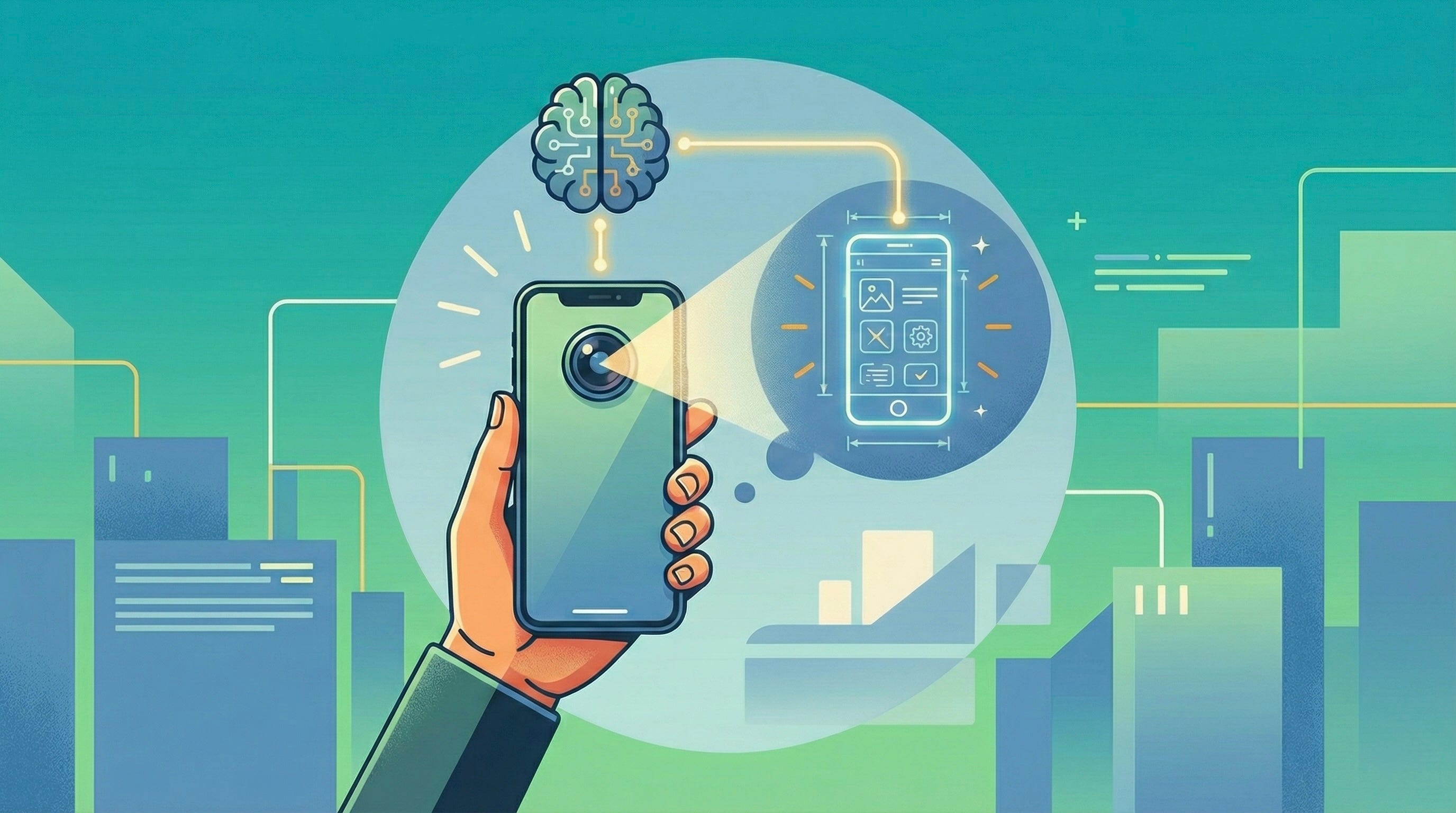
The revolution enabled by generative AI isn't just about faster copywriting or cheaper market research. Its true potential is in empowering millions of people to create simple, custom, functional digital tools ("Digital Jerry Rigs") to meet specific needs quickly – AI does to app creation what camera phones did to photography.
Lütke acknowledges that using AI well is an “unobvious skill” that needs to be learned “by... using it a lot.” He points out a common hurdle: “My sense is that a lot of people give up after writing a prompt and not getting the ideal thing back immediately.”
Autodidacts and more typical learners adopt new tools differently. Solo-preneurs and professionals within large organizations have different needs. People and contexts vary. Generally speaking, though, effective AI onboarding should be thoughtful and approachable, gently guiding the individual into that crucial, self-directed process of experimentation. That’s where the real learning starts.